



Cemetery
About
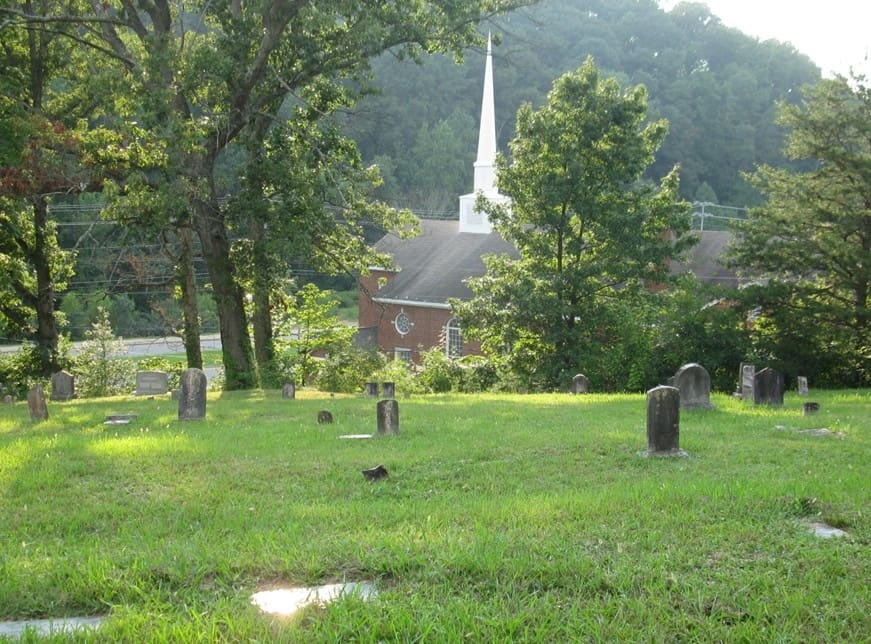
The cemetery sits on land once owned by William Morris, who came to Tennessee from North Carolina with his brother Joseph in the early 1800s and settled along Middlebrook Pike.
An active member of what became Ball Camp Baptist Church, William served as clerk and deacon before transferring four acres , including the church’s current site, to the congregation for $1 in 1841.
No one knows exactly when the cemetery began, but burials date back at least to the 1840s. The oldest legible tombstone belongs to Mary Mourfield, with a death date inscribed as 1817 (though the faint engraving leaves some doubt whether it actually reads 1847). The next-oldest known grave is Margaret Walker, who died in 1842.
A Place Tied to the Church’s History
Many early graves belong to people who shaped the church itself — William Morris, who donated the land; Reuben Walker, who received the deed and served on the building committee; and generations of Sunday School teachers, deacons, and their families.
The Morris and Callaway/Calloway families have the most graves in the cemetery, which also holds the resting places of at least 23 veterans, from the War of 1812 through World War II.
Read the full history and records
Click to View
Caring for the Cemetery
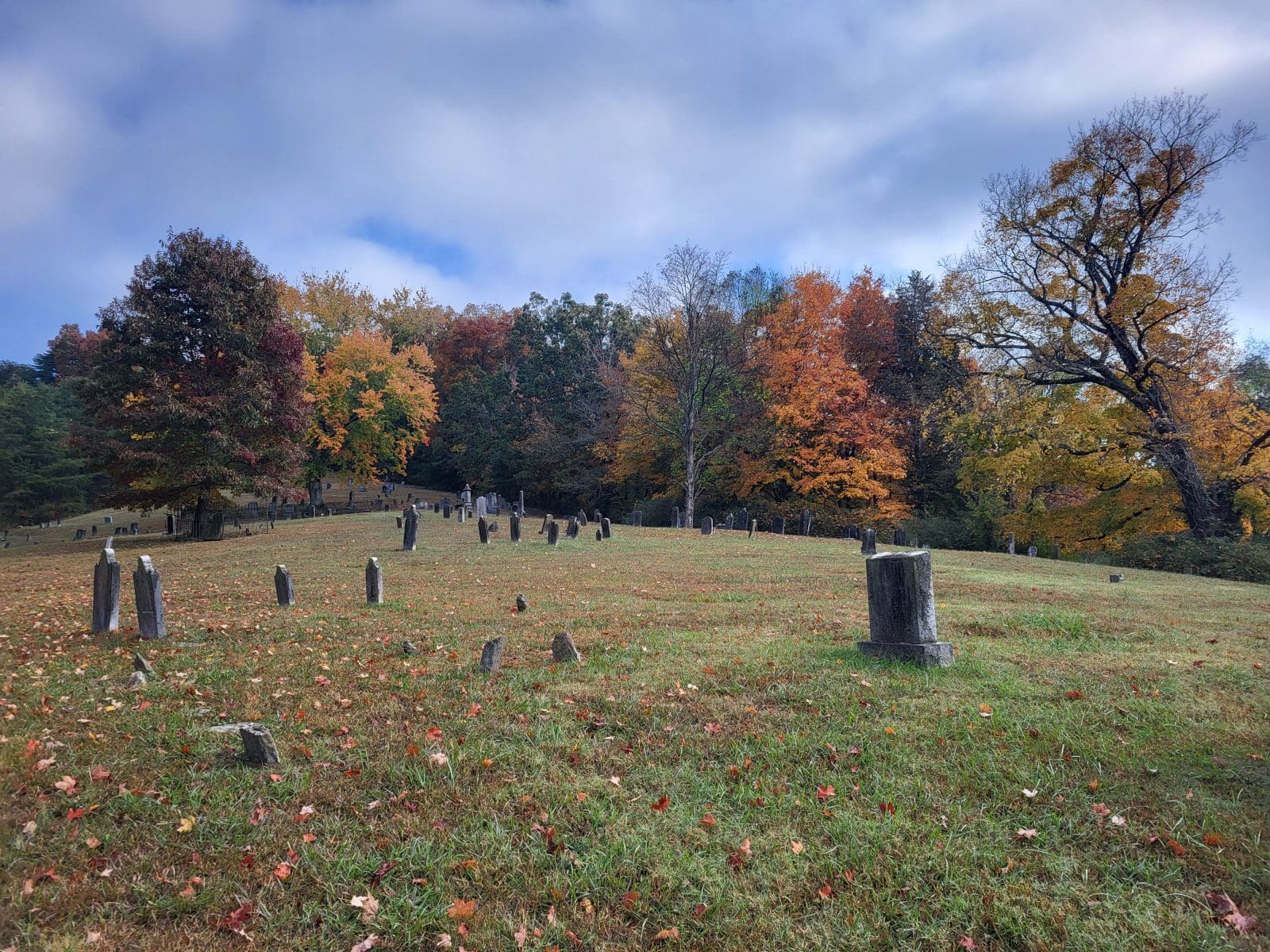
By 1979, the cemetery needed attention, prompting Rev. Leonard Markham to call a meeting that led to the Ball Camp Memorial Cemetery Trust, founded in April 1980.
Members raised the trust’s $10,000 goal by 1984, and in 1996 a $25,000 gift from the estate of Carrie Lou Baker Satterfield, in memory of her and her husband, and honoring her parents buried there, became an endowment that still supports upkeep today. In 1997, oversight moved under the church’s own bylaws, with a Cemetery Committee formed to manage operations and records.
Finding a Grave
In 2025, the cemetery was mapped and divided into three zones — A, B, and C — to help visitors locate graves.
A full list of burials, with locations and Find A Grave links, is available in the full cemetery record.